
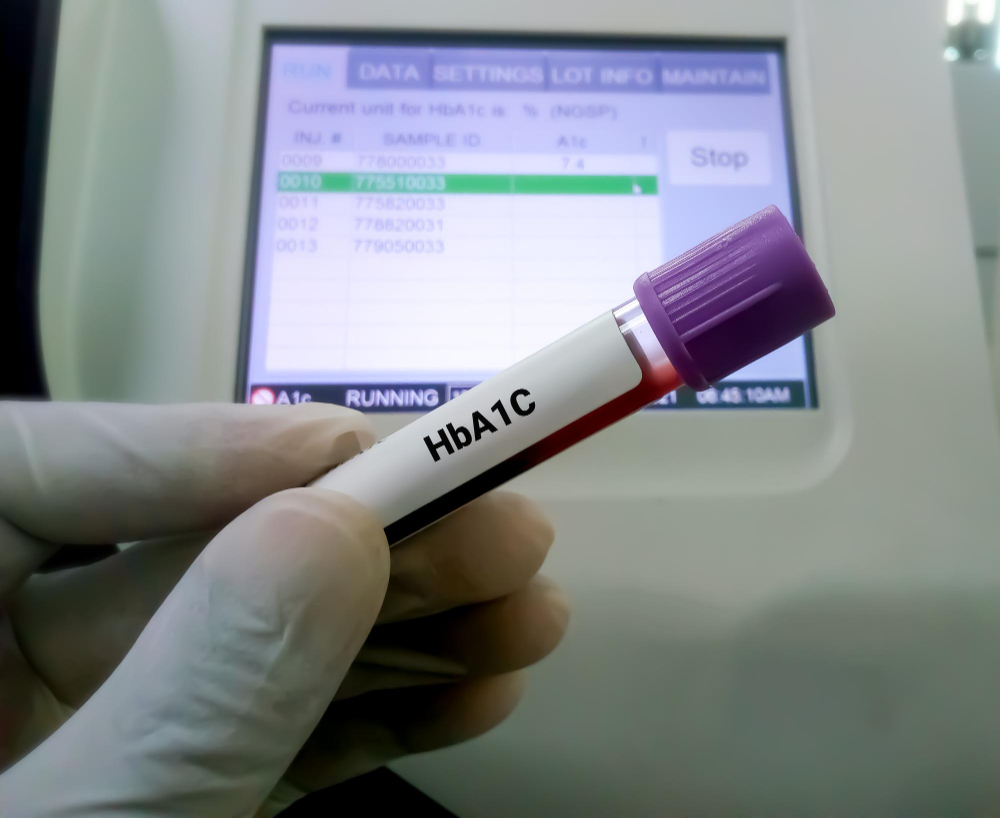
What is HbA1c?
Many people hear about HbA1c during diabetes checkups. HbA1c is a blood test that shows your average blood sugar over the past three months. While daily blood sugar checks show your level at one moment, HbA1c gives a bigger picture. For example, the test measures how much sugar has attached to your red blood cells. Because these cells live for about three months, HbA1c reflects your long-term blood sugar control. According to the CDC, doctors use this test to help diagnose and manage diabetes.
How is HbA1c Different from Daily Blood Sugar Readings?
Daily blood sugar readings tell you your glucose level at a single point in time. However, these numbers can change quickly based on meals, stress, or exercise. In contrast, HbA1c shows your average blood sugar over weeks and months. Therefore, even if your daily readings look normal, your HbA1c might still be high. This is why many diabetes care teams use both tests for a complete view.
Why Can HbA1c Be High Even If Sugar Seems Normal?
Sometimes, people see normal blood sugar readings at home but still have a high HbA1c. This can happen for several reasons. For instance, blood sugar may spike after meals or at night, but you might not check during those times. Over time, these hidden spikes raise your average, which increases your HbA1c. In addition, stress, illness, or certain medicines can cause blood sugar to rise without you noticing. That is why regular HbA1c testing is important, even for those who feel healthy.
Health Risks of Elevated HbA1c
When your HbA1c is high, your risk of health problems increases. According to the World Health Organization, high HbA1c levels can lead to:
Even if you do not feel sick, long-term high HbA1c can slowly harm your body. Therefore, keeping your HbA1c in a healthy range is key for diabetes prevention and overall health.
How to Monitor and Lower HbA1c
Monitoring your HbA1c is simple. Most clinics in your area can do the test with a small blood sample. Many people check their HbA1c every three to six months. If your HbA1c is high, you can lower it with healthy habits. For example, eating balanced meals and staying active can help. Your doctor may also suggest medicines or changes to your diabetes care plan. In addition, regular blood glucose monitoring at home can help you spot patterns and avoid spikes.
Prevention and Lifestyle Tips for Healthy HbA1c Levels
Preventing high HbA1c starts with simple lifestyle changes. First, eat meals rich in vegetables, whole grains, and lean proteins. Next, try to move your body every day, even with short walks. Also, manage stress with deep breathing or hobbies. Because sleep affects blood sugar, aim for 7–9 hours each night. If you smoke, quitting can improve your blood sugar control. Finally, regular checkups with your doctor help you stay on track. These steps support healthy HbA1c levels and lower your risk for diabetes and other health problems.
Consult Dr Divakar Srivastava for regular checkups