
What Is a PSA Test?
The PSA Test is a simple blood test. It measures the level of prostate-specific antigen (PSA) in your blood. PSA is a protein made by the prostate gland. Doctors often use the PSA blood test to check for prostate problems. For example, it can help find prostate cancer early. The test is also called the prostate-specific antigen test.
Why Is the PSA Test Done?
Doctors may suggest a PSA Test for several reasons. Most often, it is used for prostate cancer screening. However, it can also help check for other prostate issues. Here are some common reasons:
According to the CDC, the PSA test can help find prostate cancer early. But, it is not perfect. Sometimes, it finds problems that are not cancer.
How Is the PSA Test Performed?
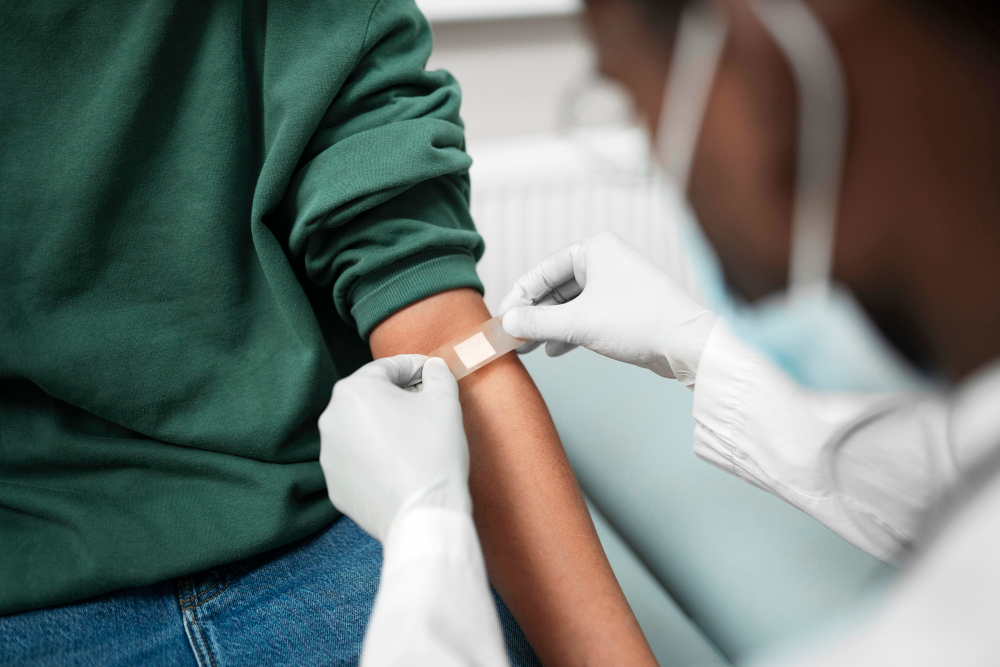
The PSA blood test is quick and easy. First, a nurse or doctor takes a small blood sample from your arm. Next, the sample goes to a lab. There, experts measure the PSA level. You do not need to stay in the clinic after the test. Most people can go home right away.
What Do PSA Test Results Mean?
PSA test results show the amount of PSA in your blood. Usually, a low PSA level is normal. However, higher PSA levels can mean different things. For example, high PSA can be a sign of:
But, a high PSA does not always mean cancer. Other factors, like age or recent activities, can affect results. Doctors look at your PSA level, age, and health history before making decisions. Sometimes, they may suggest more tests, such as a prostate biopsy.
Risks and Limitations of the PSA Test
While the PSA test is helpful, it has some risks and limits. For instance, it can give false-positive results. This means the test shows a problem when there is none. It can also give false-negative results, missing some cancers. Because of this, not all experts agree on routine PSA screening for everyone. The World Health Organization and CDC suggest talking with your doctor about the risks and benefits.
How to Prepare for a PSA Test
Preparing for a PSA test is simple. Still, there are a few things to keep in mind:
These steps help make sure your PSA test results are accurate.
Frequently Asked Questions About the PSA Test
Conclusion
In summary, the PSA Test is a useful tool for checking prostate health. However, it is not perfect. Because results can be affected by many things, always discuss them with your doctor. If you have questions about the PSA blood test or prostate-specific antigen test, consult a healthcare professional at Cure Pathology for personalized advice.