
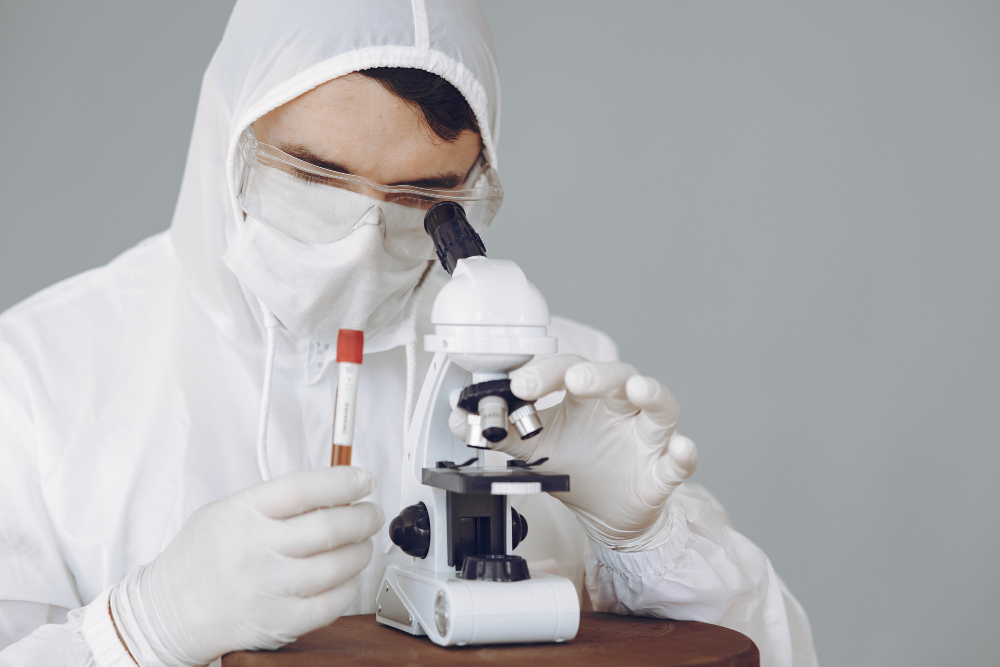
What Is Leptospirosis?
Leptospirosis is a bacterial infection that can affect both people and animals. It spreads through water or soil that has been contaminated by the urine of infected animals. Often, people do not know about this disease. However, it can cause serious health problems if not treated early. Leptospirosis testing is important for quick diagnosis and treatment.
Why Is Leptospirosis Common During Monsoon?
During the monsoon, heavy rains can flood streets and fields. As a result, water mixes with soil and animal waste. This creates the perfect environment for the bacteria to spread. People often walk through dirty water, which increases their risk. In addition, pets and farm animals may also get infected. Therefore, monsoon infection diagnosis becomes more important during this season.
Symptoms of Leptospirosis
Leptospirosis can look like many other illnesses. Still, some signs are more common. Early detection is key. Watch for these symptoms of leptospirosis:
Sometimes, symptoms are mild. But in some cases, they can become severe and affect the liver, kidneys, or lungs. If you notice these signs, seek medical help right away.
How Is Leptospirosis Diagnosed?
Doctors use several steps to diagnose leptospirosis. First, they ask about your symptoms and recent activities. For example, they may ask if you have been in floodwater or near animals. Next, they may order blood or urine tests. These tests help confirm the infection. Because symptoms can look like other diseases, accurate monsoon infection diagnosis is important.
Leptospirosis Testing: Methods and What to Expect
Leptospirosis testing helps doctors find the bacteria in your body. There are a few main ways to test for leptospirosis:
Usually, your doctor will explain which test is best for you. The process is simple and safe. Early testing helps start treatment sooner.
Treatment and Prevention Tips
Leptospirosis can be treated with antibiotics. Early treatment works best. But, prevention is always better. Here are some tips to help you stay safe:
According to the World Health Organization (WHO), these steps lower your risk of infection. Still, if you feel unwell, seek medical advice quickly.
When to See a Doctor
Sometimes, mild symptoms go away on their own. However, you should see a doctor if:
Early medical care can prevent serious problems. Therefore, do not wait if you suspect leptospirosis.
Conclusion and Next Steps
Leptospirosis is a dangerous monsoon infection that many people do not know about. However, with early leptospirosis testing and treatment, most people recover fully. Always take steps to protect yourself, especially during the rainy season. If you notice any symptoms or have concerns, consult a healthcare specialist at Cure Pathology if you suspect leptospirosis or need personalized advice.