
Introduction to Hemoglobin Electrophoresis
Hemoglobin electrophoresis is a special blood test. It helps doctors find different types of hemoglobin in your blood. Hemoglobin is the part of red blood cells that carries oxygen. Sometimes, people have unusual types of hemoglobin. These can cause health problems. Because of this, hemoglobin electrophoresis is important for diagnosing blood disorders.
What Is Hemoglobin Electrophoresis?
This test checks for different forms of hemoglobin. Normally, most people have hemoglobin A. However, some people have other types, like hemoglobin S or C. These changes can lead to conditions such as sickle cell disease or thalassemia. Hemoglobin electrophoresis separates these types so doctors can see which ones you have.
Why Is Hemoglobin Electrophoresis Performed?
Doctors order this test for several reasons. For example, it helps diagnose blood disorders. It can also check if you carry a gene for a hemoglobin problem. Sometimes, it is used to screen newborn babies. In addition, it helps guide treatment for people with known blood conditions.
How Does the Hemoglobin Electrophoresis Test Work?
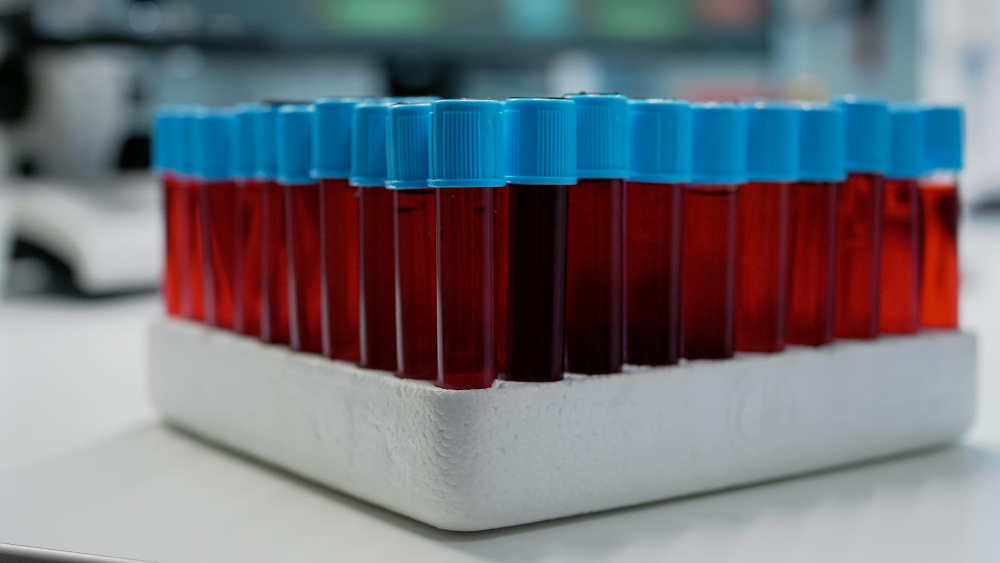
The test uses a small blood sample. First, the blood is placed on a special gel or paper. Next, an electric current is applied. Because of this, the different types of hemoglobin move at different speeds. As a result, the lab can see which types are present. This process is safe and does not hurt.
Common Conditions Detected by Hemoglobin Electrophoresis
Many blood disorders can be found with this test. For instance, it can detect:
Because these conditions can affect health, early diagnosis is important.
How to Prepare for the Test
Usually, you do not need to do much to get ready. Most people can eat and drink as normal. However, always follow your doctor’s instructions. If you take certain medicines, let your doctor know. Sometimes, these can affect the test results.
What to Expect During and After the Test
During the test, a nurse or technician will take a small blood sample from your arm. This only takes a few minutes. You may feel a quick pinch. Afterward, you can go back to your normal activities. Some people notice a small bruise or soreness, but this goes away quickly.
Understanding Your Results
When the results are ready, your doctor will explain them. If only normal hemoglobin is found, your test is normal. However, if other types are present, you may have a hemoglobin disorder. Sometimes, you may be a carrier but not have symptoms. Because results can be complex, always ask your doctor to explain what they mean for you.
When to Consult a Doctor
If you have a family history of blood disorders, talk to your doctor. Also, if you have symptoms like tiredness, pale skin, or frequent infections, ask about testing. Early diagnosis can help manage these conditions better. In addition, if you are planning a family, screening may be helpful.
Conclusion
Hemoglobin electrophoresis is a simple blood test. It helps find and diagnose important blood disorders. Because early detection is key, talk to your healthcare provider if you have concerns. Consult a healthcare professional at Cure Pathology for personalized advice about hemoglobin electrophoresis.