
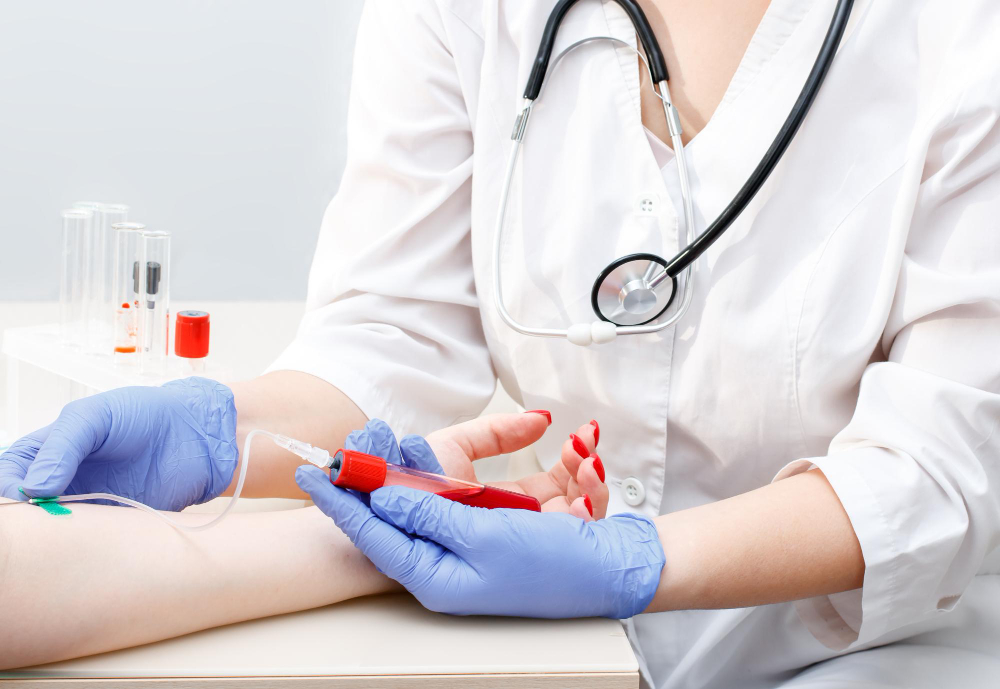
The Fatty Liver Index Test is a simple, non-invasive tool that helps doctors check for fatty liver disease. This test uses numbers from your body and blood to estimate the amount of fat in your liver. Because fatty liver disease often has no symptoms, the Fatty Liver Index Test can be important for early detection. Early diagnosis can help you make healthy changes and avoid liver problems in the future.
What is the Fatty Liver Index Test?
The Fatty Liver Index Test is a calculation that estimates the chance of having fat in your liver. It uses four main measurements:
Doctors use these numbers to get a score. This score helps them decide if you might have fatty liver disease. The test is non-invasive, which means it does not require surgery or special scans.
Why is the Fatty Liver Index Test Important?
Fatty liver disease is common and often silent. Many people do not know they have it. However, if left untreated, it can lead to liver damage. The Fatty Liver Index Test helps spot the problem early. Because it is easy and quick, many clinics use it as a first step in fatty liver diagnosis. Early detection means you can start making changes sooner, which may prevent serious health issues.
How is the Fatty Liver Index Test Performed?
To perform the Fatty Liver Index Test, your doctor will need:
Once these numbers are collected, the doctor uses a formula for fatty liver index calculation. The result is a score between 0 and 100. You do not need to do anything special to prepare, but fasting may be needed for the blood test. Ask your doctor for details.
Understanding Your Fatty Liver Index Results
Your Fatty Liver Index score tells you how likely it is that you have fat in your liver. Here is what the scores usually mean:
It is important to remember that the fatty liver index normal range can vary. Always talk to your doctor about your results. They can explain what your score means for your health.
Who Should Consider the Fatty Liver Index Test?
Some people have a higher risk of fatty liver disease. You may benefit from the Fatty Liver Index Test if you have:
If you live in a city with rising rates of fatty liver disease, such as New York or Los Angeles, your doctor may suggest this test as part of a routine checkup.
Limitations and Accuracy
While the Fatty Liver Index Test is helpful, it is not perfect. Sometimes, people with a low score may still have fatty liver. Also, other health problems can affect the results. For example, high GGT can come from other liver issues. The test is a good first step, but it does not replace imaging tests or a liver biopsy. According to the World Health Organization and medical research, the Fatty Liver Index is best used as a screening tool, not a final diagnosis.
Prevention and Next Steps
If your score is high, do not worry. Many people improve their liver health with simple changes. Here are some tips:
Above all, talk to your healthcare provider about your Fatty Liver Index Test results. They can guide you on the best steps for your health.
Consult a healthcare professional at Cure Pathology to understand your Fatty Liver Index Test results and receive personalized recommendations.