
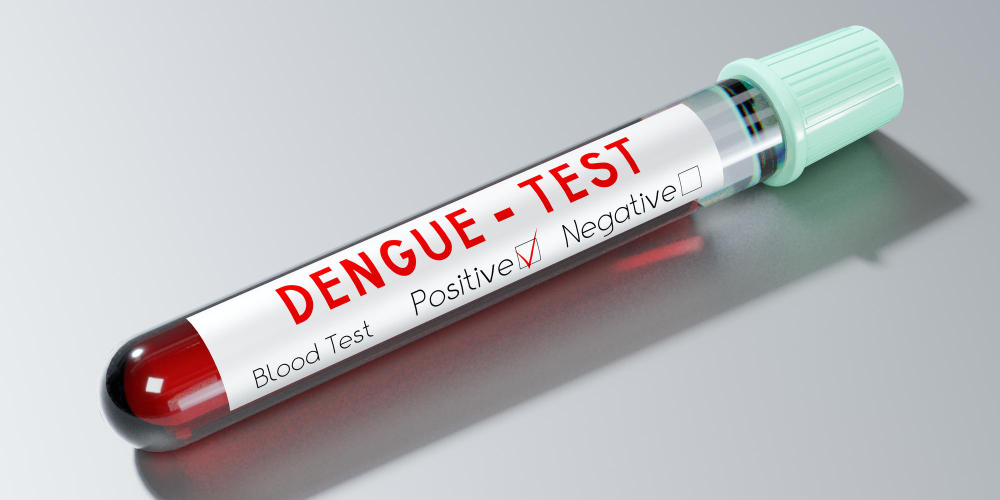
What is a Dengue Test?
A dengue test checks if you have a dengue virus infection. Doctors use this test to find the virus in your blood. Early detection is important because dengue can become serious. Usually, a dengue test is done when you have a high fever and other symptoms. This test helps your doctor decide the best treatment for you.
Why is a Dengue Test Needed?
Often, dengue symptoms look like other illnesses. For example, you may have fever, headache, or body pain. Because of this, a dengue test is needed to confirm the infection. In addition, early testing helps prevent problems. If you live in or visit areas where dengue is common, testing is even more important. According to the World Health Organization (WHO), early diagnosis can save lives.
Types of Dengue Tests
There are several types of dengue tests. Each test looks for different signs of the virus. Here are the main types:
Sometimes, your doctor may order more than one test to confirm the result.
How is the Dengue Test Performed?
The dengue test procedure is simple. First, a healthcare worker takes a small blood sample from your arm. Next, the sample goes to a lab for testing. Usually, the process takes only a few minutes. After the test, you can return to your normal activities. However, you may feel a little discomfort at the needle site.
Preparing for a Dengue Test
Most of the time, you do not need special steps before a dengue test. But, here are a few tips:
For most people, no fasting is needed. Still, always follow your doctor’s advice on how to prepare for a dengue test.
Understanding Your Dengue Test Results
After the test, your doctor will explain the results. Here is what they may mean:
Because test accuracy can vary, your doctor may use your symptoms and test results together. For more details, see the CDC’s guidance on dengue testing.
Risks and Limitations of Dengue Testing
Usually, dengue tests are safe. However, you may notice mild pain or bruising at the blood draw site. Rarely, infection or dizziness can occur. In addition, no test is perfect. Sometimes, the test may not detect early infections. Or, it may give a false positive. Therefore, your doctor will consider all factors before making a diagnosis.
Frequently Asked Questions about Dengue Tests
Conclusion
Experiencing dengue symptoms like fever, body pain, or fatigue? Consult Dr. Divakar Srivastava at Cure Pathology for accurate dengue testing, early detection, and expert guidance for better health outcomes.