
What Is a Cortisol Levels Test?
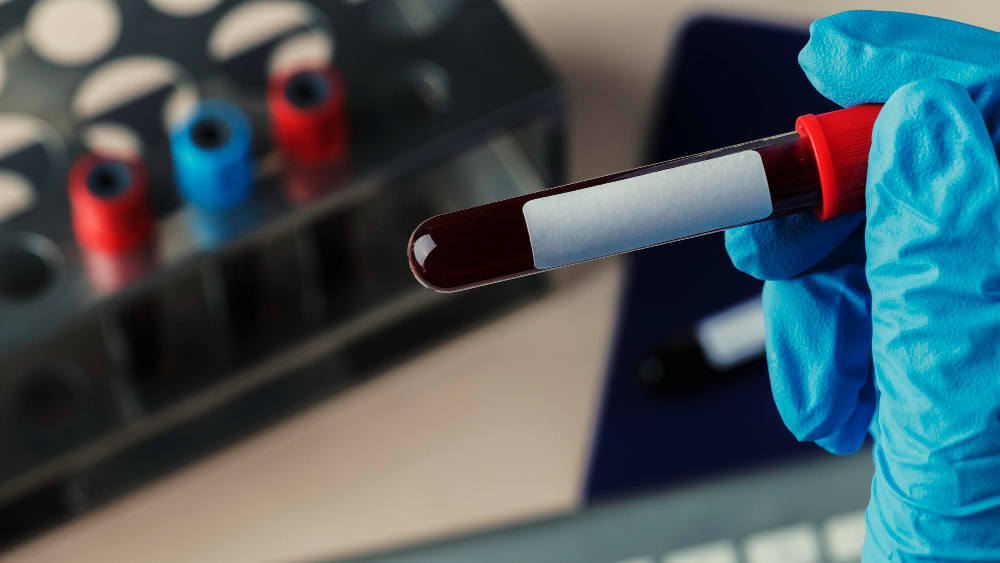
The cortisol levels test measures the amount of cortisol in your body. Cortisol is a hormone made by your adrenal glands. It helps control stress, blood sugar, and blood pressure. Doctors use the cortisol levels test to check if your body makes the right amount of this hormone. Often, this test is called a cortisol blood test, but it can also use urine or saliva samples.
Why Is the Cortisol Levels Test Important?
Cortisol plays a big role in your health. For example, it helps your body respond to stress. It also keeps your blood sugar and blood pressure in balance. If your cortisol levels are too high or too low, it can cause health problems. Therefore, the cortisol levels test helps doctors find out if your adrenal glands are working well.
Symptoms and Conditions That May Require Testing
Sometimes, your doctor may suggest a cortisol levels test if you have certain symptoms. These symptoms can point to problems with your adrenal glands. For instance, you may need testing if you have:
In addition, doctors may order the test if they suspect conditions like Cushing’s syndrome (high cortisol) or Addison’s disease (low cortisol).
How the Test Is Performed
The cortisol levels test can be done in three main ways. Each method checks your cortisol in a different body fluid:
Each type has its own benefits. For example, a blood test gives quick results, while a urine test shows daily patterns.
How to Prepare for a Cortisol Levels Test
Before your cortisol test, your doctor will give you instructions. Sometimes, you may need to:
Always follow your doctor’s advice. If you have questions, ask before the test. This helps you get the most accurate results.
Understanding Test Results
After your test, your doctor will explain the results. Normal cortisol levels depend on the time of day and the type of test. For example, blood cortisol is usually highest in the morning and lowest at night. The typical morning cortisol test normal range is about 6 to 23 micrograms per deciliter (mcg/dL). However, these numbers can vary by lab.
If your results are outside the normal range, your doctor will look at your symptoms and other tests. Sometimes, a single abnormal result may not mean you have a problem.
Causes of Abnormal Cortisol Levels
Many things can cause high or low cortisol levels. For instance, high cortisol can be due to:
On the other hand, low cortisol can be caused by:
Because many factors affect cortisol, your doctor may order more tests to find the cause.
Next Steps After Receiving Results
Once you get your cortisol test results, your doctor will review them with you. If your levels are high or low, you may need more tests. Sometimes, you may need to see a hormone specialist, called an endocrinologist. Your doctor will guide you on the best next steps based on your health and symptoms.
Prevention and Lifestyle Guidance
While you cannot always prevent hormone problems, healthy habits can help keep your cortisol in balance. For example:
These steps can support your overall health and may help keep your cortisol levels steady.
Conclusion
The cortisol levels test is a simple way to check your body’s stress hormone. It helps doctors find out if your adrenal glands are working well. If you have symptoms or concerns, talk to your healthcare provider. They can guide you on whether a cortisol test is right for you. Consult a healthcare provider at Cure Pathology for personalized advice about cortisol levels testing.