
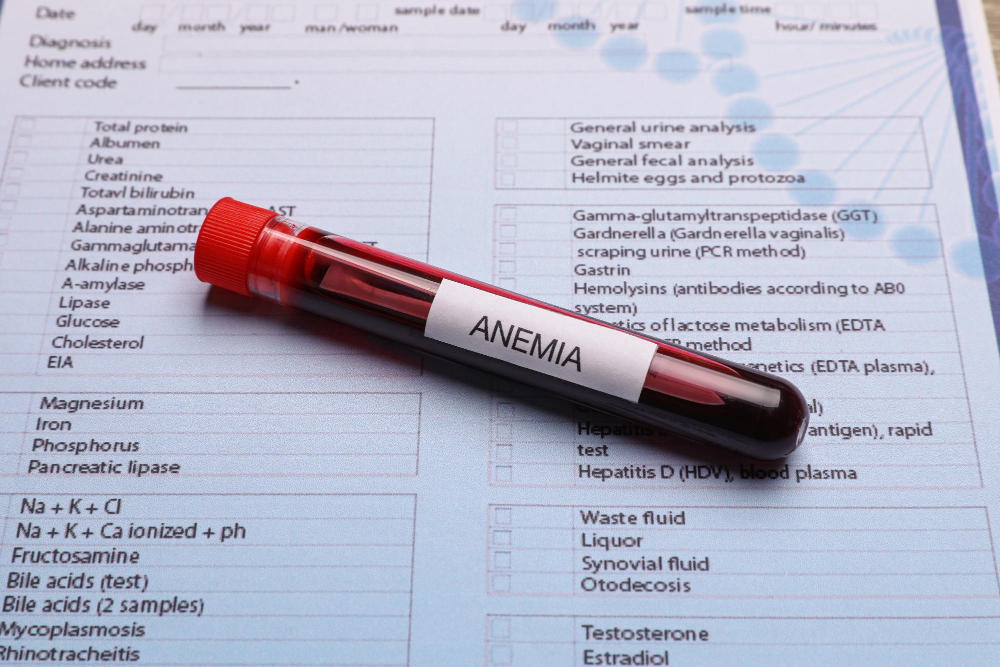
What Is an Anemia Test?
An anemia test is a simple blood test that checks if you have anemia. Anemia means your blood does not have enough healthy red blood cells. Because red blood cells carry oxygen, low levels can make you feel tired or weak. Many people get an anemia test if they have symptoms of anemia, such as feeling tired, pale skin, or shortness of breath. Doctors use this test to help with anemia diagnosis and to find the cause of your symptoms.
Why Is an Anemia Test Important?
First, an anemia test helps find out if you have anemia. Early detection is important because untreated anemia can cause health problems. For example, it can affect your heart, brain, and daily life. Also, knowing the cause of anemia helps your doctor choose the right treatment. Because some types of anemia are linked to other health issues, an anemia screening can also reveal other problems. So, getting tested can help you stay healthy.
Types of Anemia Tests
Doctors use several blood tests for anemia. Each test gives different information. Here are the most common types:
Sometimes, your doctor may order more tests to find the exact cause of anemia.
How to Prepare for an Anemia Test
Usually, you do not need to do much to get ready for an anemia test. However, your doctor may give you special instructions. For example, you might need to fast (not eat) for a few hours before some blood tests. Always ask your doctor if you need to stop any medicines before the test. Because some vitamins or supplements can affect results, tell your doctor about everything you take. Arrive at the lab on time and bring your ID and test order.
What Happens During the Test
During an anemia test, a healthcare worker will draw a small amount of blood from your arm. First, they clean your skin with alcohol. Next, they place a band around your upper arm to make the vein easier to find. Then, they insert a small needle and collect blood into a tube. The process usually takes less than five minutes. Afterward, they cover the spot with a bandage. Most people feel only a quick pinch. You can return to your normal activities right after the test.
Understanding Your Results
After your blood test for anemia, your doctor will review the results. Here is what they may look for:
Because normal ranges can vary by age and sex, your doctor will explain what your numbers mean. If your results show anemia, your doctor may order more tests to find the cause. Sometimes, results can be affected by dehydration or other health issues. Always discuss your results with your doctor for a clear understanding.
When to Consult a Doctor
If you have symptoms of anemia, such as tiredness, pale skin, or fast heartbeat, talk to your doctor. Also, if your anemia test shows abnormal results, you should follow up. Early treatment can prevent problems. Even if you feel fine, it is wise to ask your doctor about anemia screening if you have risk factors. For example, women who are pregnant or people with chronic illnesses may need regular testing.
Prevention and Lifestyle Tips Related to Anemia Testing
While not all types of anemia can be prevented, you can lower your risk with healthy habits. Here are some tips:
Because early detection is key, do not skip your anemia test if your doctor suggests it.
Conclusion
In summary, an anemia test is a simple way to assess your blood health and detect anemia early. If you experience symptoms or have risk factors, consult a healthcare professional for personalized advice.
Book your anemia test today at Cure Pathology!