
What Is a Zinc Test?
A zinc test checks the amount of zinc in your blood. Doctors may call it a zinc blood test or serum zinc test. Zinc is a mineral your body needs to stay healthy. It helps your immune system, wound healing, and growth. Sometimes, people do not get enough zinc. In that case, a zinc deficiency test can help find out if your zinc levels are low.
Why Is a Zinc Test Needed?
Doctors order a zinc test for several reasons. For example, you may have symptoms of low zinc. Or, you may have a health problem that affects how your body uses zinc. Sometimes, a zinc test helps check if treatment for zinc deficiency is working.
Common reasons for a zinc test include:
Additionally, people with certain conditions may need this test. For instance, those with digestive problems or poor nutrition may have low zinc levels.
How Is the Zinc Test Performed?
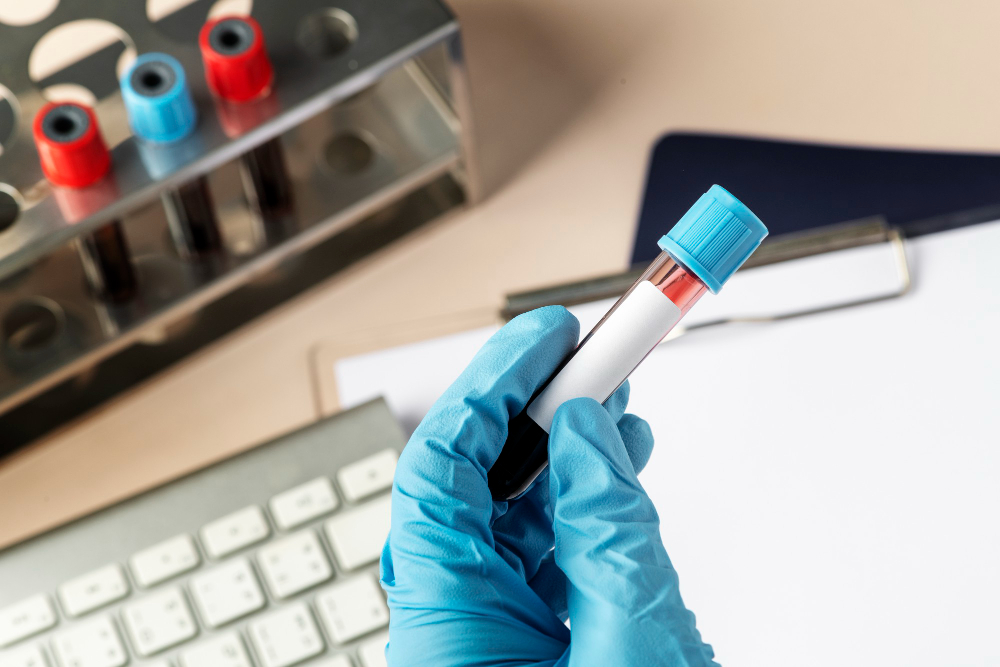
The zinc test is simple and quick. A healthcare worker takes a small blood sample from your arm. Usually, the test is done in a clinic or lab. The sample is sent to a lab to check your zinc levels.
Before the test, you may need to follow some steps. For example:
Always follow your doctor’s instructions. This helps make sure your zinc test results are accurate.
Understanding Zinc Test Results
After the test, your doctor will review your zinc levels. Normal zinc levels in the blood are usually between 70 and 120 micrograms per deciliter (mcg/dL). However, these numbers may vary by lab.
If your zinc level is low, it may mean you have a zinc deficiency. This can cause health problems if not treated. On the other hand, high zinc levels are rare but can happen if you take too many supplements.
Several things can affect your results, such as:
Therefore, your doctor will look at your symptoms and medical history along with your test results.
Risks and Considerations
The zinc blood test is safe for most people. Still, as with any blood test, there are small risks. For example, you may have slight pain, bruising, or swelling where the needle goes in. These problems usually go away quickly.
Sometimes, test results may not show the full picture. For instance, zinc levels can change during the day or after eating. Because of this, your doctor may repeat the test or order other tests if needed.
When to Consult a Doctor
If you have symptoms of zinc deficiency, talk to your doctor. Early signs can be easy to miss. For example, you may feel tired or notice slow wound healing. If you have a health problem that affects nutrition, your doctor may suggest a zinc test.
Additionally, do not start zinc supplements without medical advice. Too much zinc can cause harm. Your doctor can guide you on the right steps.
Frequently Asked Questions
In summary, a zinc test helps check your body’s zinc levels. It can find zinc deficiency and guide treatment. If you have symptoms or risk factors, talk to your doctor. Consult a healthcare professional at Cure Pathology for personalized advice about zinc testing.