
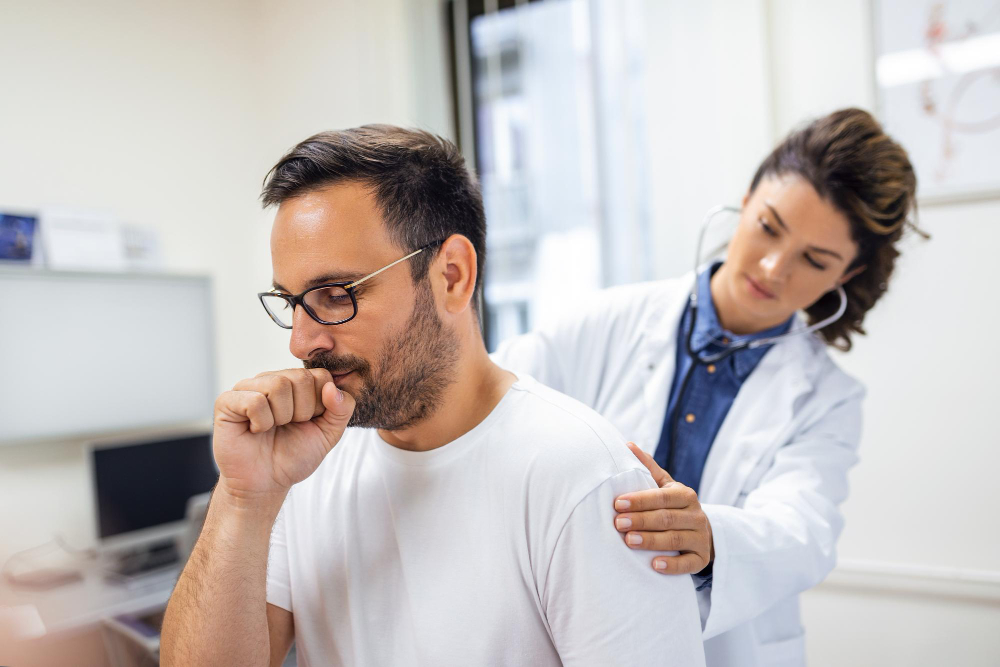
Introduction to Tuberculosis and Screening
Tuberculosis screening is a key step in finding and treating TB early. Tuberculosis, or TB, is a disease caused by bacteria. It mainly affects the lungs, but it can harm other parts of the body too. Early screening helps stop the spread of TB and protects your health. According to the World Health Organization (WHO), millions of people get TB each year. However, many do not know they have it. Because of this, screening is very important.
Symptoms That May Prompt TB Screening
Sometimes, TB does not cause symptoms right away. Still, you should watch for signs. If you notice any of these, you may need a TB test:
Even if you feel fine, you might still need screening if you are at risk. For example, some people have TB without any symptoms. Therefore, regular screening can help catch it early.
Who Should Get Screened for TB?
Not everyone needs a TB test. However, some groups have a higher risk. You should get screened if you:
In addition, your doctor may suggest screening if you have other risk factors. Early testing helps protect you and those around you.
Types of Tuberculosis Screening Tests
There are two main ways to check for TB infection. Each test works a bit differently:
Both tests are safe. However, your doctor will choose the best one for you based on your age, health, and risk factors.
How TB Screening Is Performed
TB screening is simple and quick. For the skin test, you visit a clinic. The nurse injects a tiny amount of fluid under your skin, usually on your forearm. You return in two or three days to have your arm checked. For the blood test, a small blood sample is drawn from your arm. The sample goes to a lab for testing. Both tests are safe and cause little discomfort.
What to Expect During and After Screening
During the TB skin test, you may feel a slight pinch. Afterward, you can go about your day as usual. For the blood test, you might feel a quick sting. Most people have no side effects. However, some may notice mild redness or swelling at the test site. If you have any concerns, tell your healthcare provider. After the test, you will get your results in a few days.
Understanding Results and Next Steps
Your TB screening results will be either positive or negative. A negative result means you likely do not have TB infection. A positive result means you may have been exposed to TB bacteria. However, a positive test does not always mean you have active TB disease. If your test is positive, your doctor may order more tests, such as a chest X-ray or sputum test, to check if you have active TB. Early treatment can prevent serious illness and stop the spread of TB.
Prevention Tips and Lifestyle Guidance
While TB can be serious, you can lower your risk. Here are some tips:
Additionally, if you are prescribed medicine for TB, take it exactly as directed. This helps prevent the disease from coming back or spreading.
Frequently Asked Questions About TB Screening
Conclusion
In summary, tuberculosis screening is a simple way to protect your health and your community. Early detection helps prevent the spread of TB and allows for timely treatment. If you think you may be at risk, or if you have symptoms, talk to your healthcare provider. Consult Cure Pathology for personalized advice on tuberculosis screening.