
What Are Liver Function Tests?
Liver function tests are blood tests that check how well your liver works. These tests measure different proteins, enzymes, and substances in your blood. Because your liver is vital for many body functions, these tests help spot problems early. For example, they can show if you have liver damage or disease. Doctors often use liver function tests to monitor liver health and guide treatment.
Common Types of Liver Function Tests
There are several types of liver function tests. Each test looks at a different part of liver health. Here are some common ones:
Doctors may order one or more of these tests to get a full picture of your liver health.
Why Are Liver Function Tests Important?
Liver function tests are important for many reasons. First, they help find liver problems early. Early detection can make treatment easier and more effective. Also, these tests can track liver disease over time. For people taking certain medicines, liver function tests can show if the drugs are harming the liver. In short, these tests are a key part of liver disease screening and care.
How Are Liver Function Tests Performed?
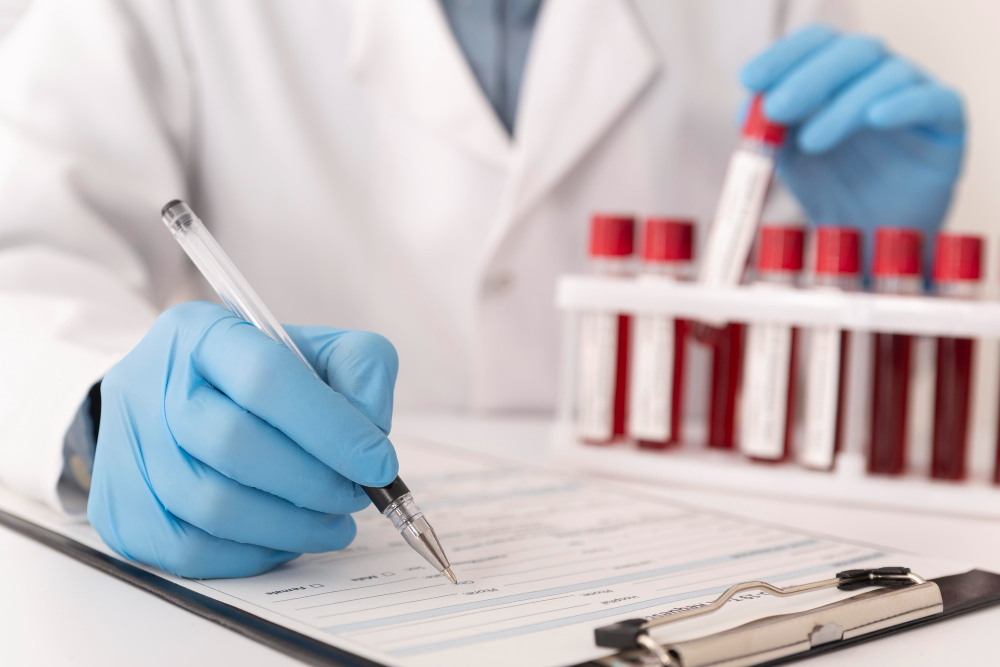
Getting a liver function test is simple. A healthcare worker takes a small blood sample from your arm. The process usually takes just a few minutes. After that, the blood goes to a lab for testing. You may need to fast before the test, but your doctor will tell you if this is needed. Most people feel only a quick pinch during the blood draw.
Interpreting Liver Function Test Results
Once your results are ready, your doctor will explain them. Normal ranges can vary by age, sex, and lab. If your ALT or AST levels are high, it may mean your liver is inflamed or damaged. High bilirubin can cause yellowing of the skin, called jaundice. Low albumin may show that your liver is not working well. However, sometimes results are only slightly off and may not mean serious disease. Your doctor will look at all results together and may order more tests if needed.
Health Impact of Abnormal Liver Function Tests
Abnormal liver function tests can signal many health issues. For example, they may point to:
Because the liver is so important, any abnormal result should be checked by a doctor. Early action can help prevent serious problems.
When Should You Get Tested?
Doctors may suggest liver function tests if you:
If you have risk factors, regular testing can help catch problems early. Always follow your doctor’s advice on when to get tested.
Lifestyle Tips for Liver Health
Keeping your liver healthy is important for your whole body. Here are some tips:
Even small changes can make a big difference in liver health.
Prevention and Early Detection
Preventing liver disease is easier than treating it. For example, regular liver function tests can catch problems before they get worse. Also, healthy habits lower your risk of liver disease. If you notice any symptoms, see a doctor right away. Early detection can save lives and keep your liver working well.
Consult a healthcare professional at Cure Pathology for personalised advice on liver function tests and your liver health.